Dark Spots and Sensitive Skin: How to Build a Gentle, Consistent Routine
Quick Answer:
If your skin is sensitive and prone to dark spots, focus first on daily sun protection and avoiding unnecessary irritation. Dark spots may follow sun exposure, but also may follow breakouts, rashes, or other inflammation. A gentle moisturizer can support comfort, while targeted pigment treatments require time and dermatologist guidance.
Why do dark spots appear?
Dark spots are areas of increased pigmentation. Because pigment changes are not all the same, it is always recommended and important to have a new dark spot evaluated by a physician.
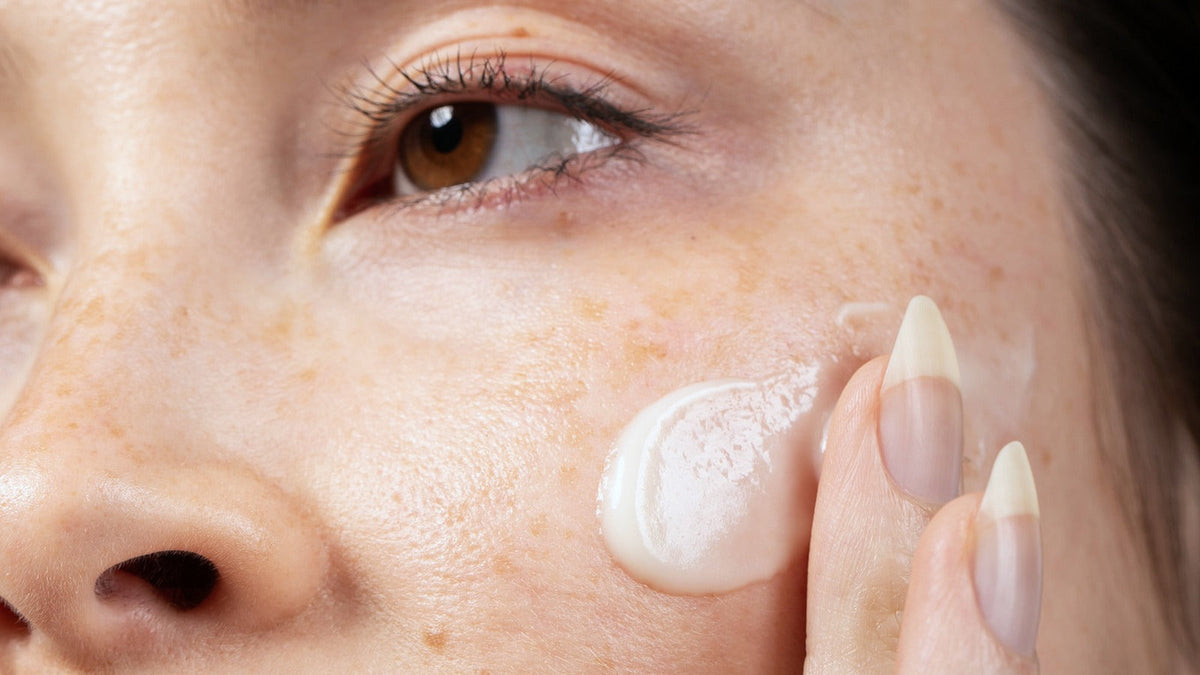
Dark spots can be caused by sun exposure. Some dark spots follow inflammation from a blemish or irritation, a process called post-inflammatory hyperpigmentation (PIH). Others are related to hormonal factors or even heat. Different causes can look similar, and they may need different approaches.
Why sensitive skin needs a different approach
Sensitive skin tends to be vulnerable to irritation, and that irritation may aggravate dark spots. This is especially relevant for people prone to post-inflammatory hyperpigmentation (PIH). For those with sensitive skin, the goal is not to use the most powerful product; it is to choose a routine your skin can tolerate consistently.
A five-step routine for uneven tone
- Use sunscreen daily. Choose broad-spectrum SPF 30 or higher. For individuals with skin of color, melasma or Post Inflammatory Pigmentation (PIH), visible light or blue light protection is also important. Tinted sunscreen containing iron oxides may offer visible-light protection. Other ingredients are also being studied for blue light protection. Blue light protection is not regulated by the FDA.
- Keep cleansing gentle. Avoid harsh scrubbing and hot water.
- Moisturize consistently. Support skin comfort so that new products are less likely to become part of the problem.
- Introduce targeted ingredients thoughtfully. Niacinamide is one ingredient commonly included in formulas addressing uneven tone. A dermatologist can discuss options such as azelaic acid or prescriptions when appropriate.
- Expect gradual change. Take photos in similar lighting every few weeks rather than judging results day to day.
What can a moisturizer realistically do for dark spots?
A moisturizer may help with hydration and appearance, and some formulas also contain ingredients intended to improve visible uneven tone. But not all dark spots respond to the same ingredients. A moisturizer is not a substitute for sunscreen, a diagnosis, or necessary medical treatment.
Where Vital Repair fits
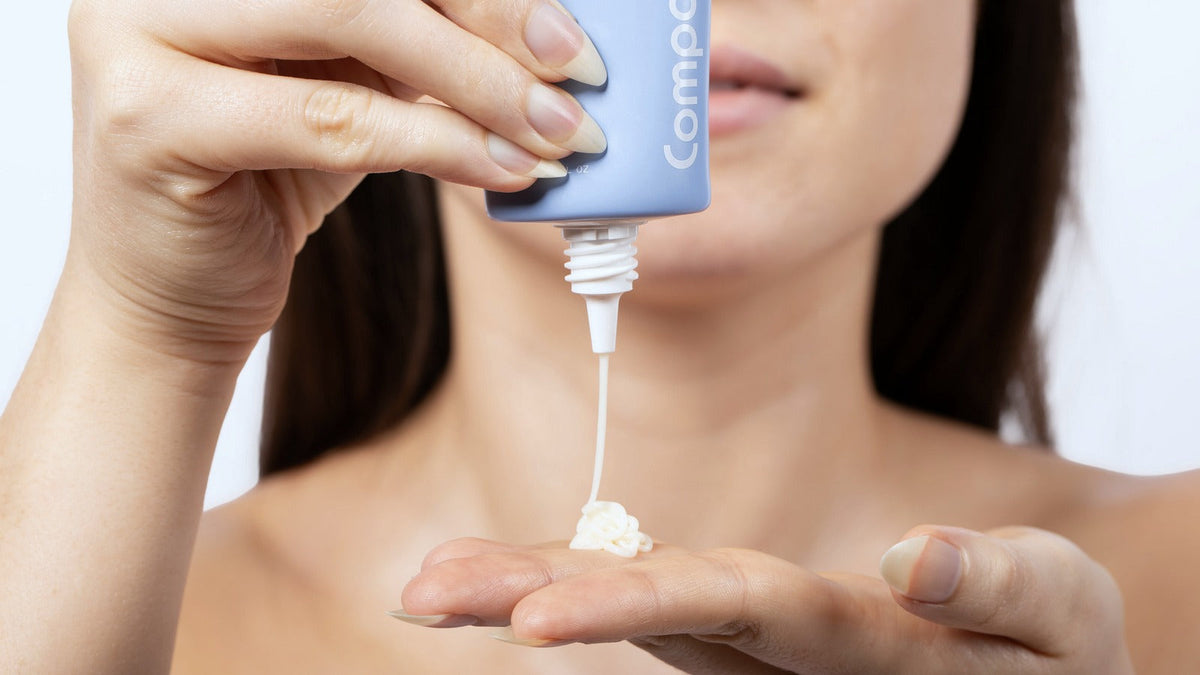
Vital Repair Hydrating Moisturizer combines hydration with ingredients selected to reduce the appearance of dark spots, including ingredients clinically studied for dark spot reduction such as niacinamide, lycopene and alpha-bisabolol. It is made without added fragrance or essential oils, making it an option to consider when other products have been difficult to tolerate.
In the brand's 8-week open-label study of 11 people with rosacea, 73% showed improvement* in brown spots at 8 weeks using a Cortex ColorMeter/DermaSpectrometer instrument. That result is specific to a small rosacea study and should not be read as proof that the product treats every type of hyperpigmentation.
*These statements have not been evaluated by the Food and Drug Administration. This product is not intended to diagnose, treat, cure, or prevent any disease.
Frequently asked questions
How long do dark spots take to fade?
It depends on the cause and pigment depth. Improvement can take months, and continued sun exposure can delay progress.
Can irritation make dark spots worse?
Yes, particularly for people prone to post-inflammatory hyperpigmentation.
Should I use a scrub to fade spots faster?
Not necessarily. Physical scrubbing and too many strong actives can aggravate sensitive skin.
Does Vital Repair replace sunscreen?
No. Always apply sunscreen. Sunscreen should be applied over the moisturizer so that the moisturizer doesn’t thin or smear the sunscreen, unless you plan on swimming. If you plan to swim, apply a water-resistant sunscreen only or let the moisturizer absorb prior to applying sunscreen.
When should I get a spot checked?
If you develop a new spot, always consult a physician.
The takeaway
A thoughtful routine for dark spots and sensitive skin puts sun protection and comfort first. Consistency is more useful than pushing through irritation.
Medical note: Educational information only, not individualized medical advice.